Project overview
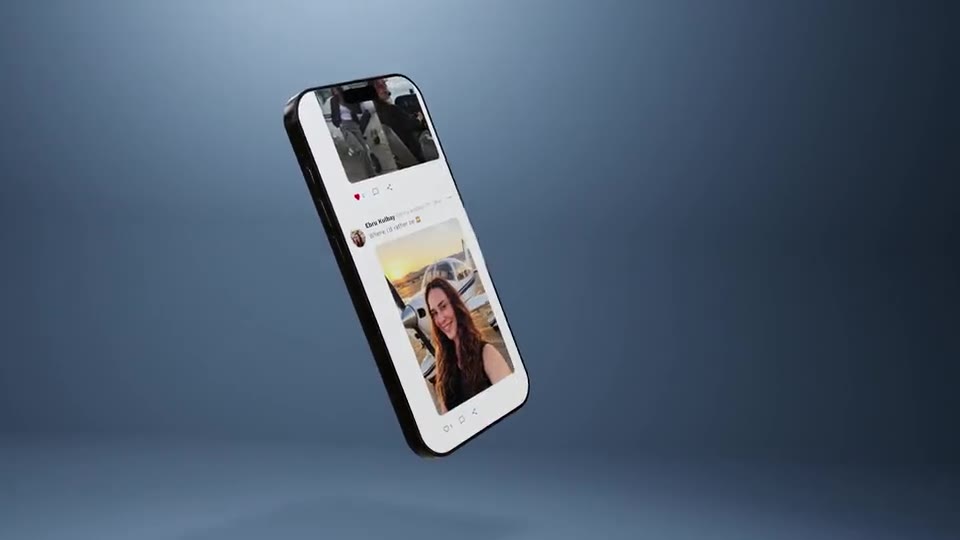
The Skye mobile app brings finding flight instructors, renting aircraft and building flight hours together in one place. With Skye Live we aimed to make that ecosystem visible on the web as well, introducing the platform vividly and clearly to people who do not know it yet.
What we built
- Platform introduction: an animated web experience that walks through what Skye offers, step by step.
- Audience-specific messaging: benefits highlighted separately for aspiring pilots and flight instructors.
- Path to the app: clear calls to action that invite visitors to try the app.
- Store links: links that take visitors straight to the App Store and Google Play pages.
- Animated sections: animations that unfold on scroll and walk through the app's features.
- SEO and performance: a search-friendly page structure, fast loading and optimised images.
By carrying the mobile app's visual language over to the web, we built a consistent brand experience across both products. Moving imagery supports the sky and flight theme, and content is organised into short, scannable blocks so the message lands quickly on any screen.
How we worked
For Skye Live we first mapped the content structure and page hierarchy. We designed in Figma, starting from the home page and extending to every page template. We turned the approved design into code component by component, entered the content, and launched after testing across screen sizes and browsers.
Technical foundation
We built the site with React and Next.js; TypeScript keeps the code reliable and Tailwind CSS keeps the interface consistent. Content is updated from an admin panel running on Node.js and MySQL. Because pages are rendered on the server, the site loads fast and is indexed correctly by search engines.
Outcome
As the web face of the Skye ecosystem, Skye Live became an experience that communicates the platform's value vividly and connects new users with the app.
Technologies used
- React
- Next.js
- TypeScript
- Tailwind CSS
- Node.js
- MySQL
- Figma